
Amani Advocacy Hub
This page is dedicated to advancing family first advocacy in child welfare and community development.
Family first advocacy matters because research consistently shows that children experience better emotional, cognitive, and social outcomes when they grow up in stable family environments rather than institutional settings. Global estimates indicate that the majority of children in orphanages have at least one living parent, and poverty, not orphanhood, is often the primary driver of separation. When economic hardship is addressed, children can remain safely at home.
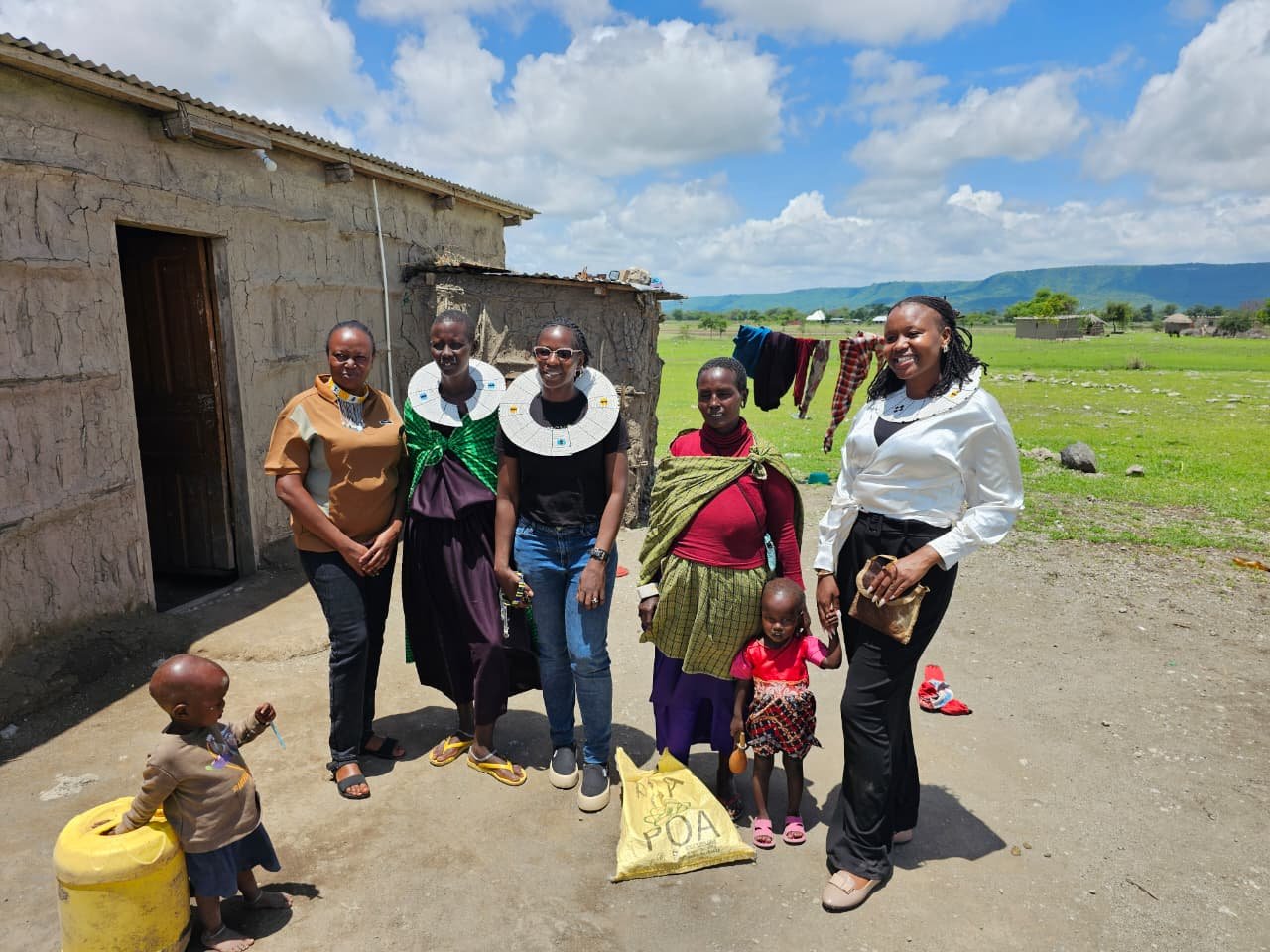
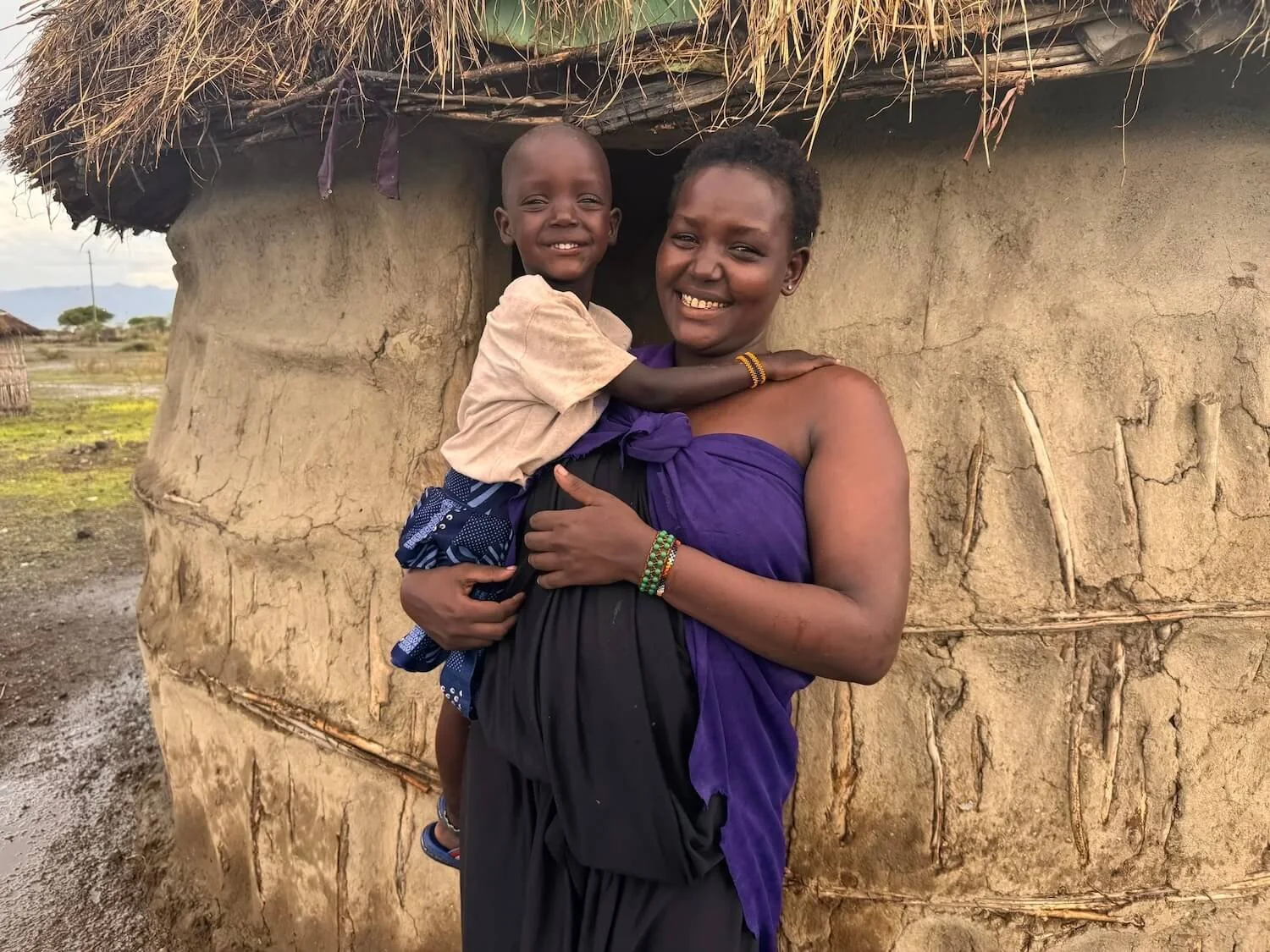
In Tanzania, national reintegration guidelines emphasize that a family is the best place for a child’s survival, upbringing, and development. At the same time, poverty and school dropout remain major risk factors for family breakdown. When education access, caregiver support, and livelihood stability are strengthened together, the likelihood of institutional placement decreases.
This page exists to publish evidence, share field-informed frameworks, and elevate policy conversations that center families as the primary unit of care. It facilitates access to research, governance documents, and implementation models that demonstrate how education, psychosocial support, and climate-resilient livelihoods can function as child protection strategies.


Proof That Reintegration Works
Pilot Evidence Affirming Care Reform in Tanzania
Click here to access our 2025 policy brief documenting Amani's government-coordinated reintegration pilot, demonstrating that family reunification is feasible, legally aligned, and scalable within Tanzania's child protection framework.
From Orphanage to Family First
A Case Study in Childcare Reform
Read our comprehensive case study that explains the broader context around Amani's shift from institutional care to a family-based model aligned with Tanzanian law and international standards. It draws on other published reports, which we highly recommend you explore as well!
Learn More: Where Else to Go for Family First Advocacy
Better Care Network
Better Care Network is a global knowledge platform dedicated to strengthening child protection systems and advancing family-based alternative care. It curates research, policy guidance, case studies, and implementation tools used by governments and NGOs worldwide.
Their work synthesizes international evidence demonstrating that institutional care should be a last resort and that family strengthening, kinship care, and foster care produce better developmental outcomes for children.
If you are looking for global data, UN-aligned guidance, and practical implementation resources, this is a foundational starting point.
Global Child Advocates—Reimagining Orphanage Care
If you are exploring care reform or transitioning away from institutional models, the Reimagine Orphan Care Series is an excellent place to begin.
Start with the video sessions to understand the foundations of global care reform—why institutional models are being reexamined, what research shows about family-based care, and what structured transition requires. From there, dig deeper into the roundtable discussions, which offer practical insights into case management, reunification, foster care development, social work support, and family engagement.
If you are navigating your own transition process as a nonprofit leader, you can also reach out directly for guidance. This work demonstrates that reform is not only possible, but already underway across multiple countries.
Volunteers Needed
Volunteers Needed is a documentary exposing how well-intentioned orphanage tourism can unintentionally fuel child trafficking and family separation.
The film examines how children are recruited into institutions to attract foreign donations and volunteer funding, even when they have living family members. It challenges the assumption that volunteering in orphanages is harmless and highlights the structural incentives that sustain institutional care models.
The campaign supports legislative reform, including efforts to add orphan trafficking to the U.S. Trafficking Victims Protection Act, and encourages local governments to adopt proclamations addressing orphanage voluntourism. This resource is particularly useful for understanding how donor behavior, tourism markets, and policy gaps intersect—and how reform requires both public awareness and legal change.